Torque Calibration Services
Torque Calibration Services from Cal-Cert
Accurate torque measurement is critical to the safety, reliability, and quality of countless mechanical assemblies, from aerospace fasteners and automotive components to pipeline connections and precision manufacturing. When torque measuring instruments drift out of calibration, the consequences can be catastrophic—leading to fastener failures, structural integrity problems, product recalls, safety hazards, and costly liability issues.
Cal-Cert provides comprehensive torque calibration services that ensure your torque measurement tools deliver the precision and reliability your critical assembly operations demand.
Some of the tools and instruments we calibrate include:
- Torque Multipliers
- Torque Screwdrivers
- Torque Testers
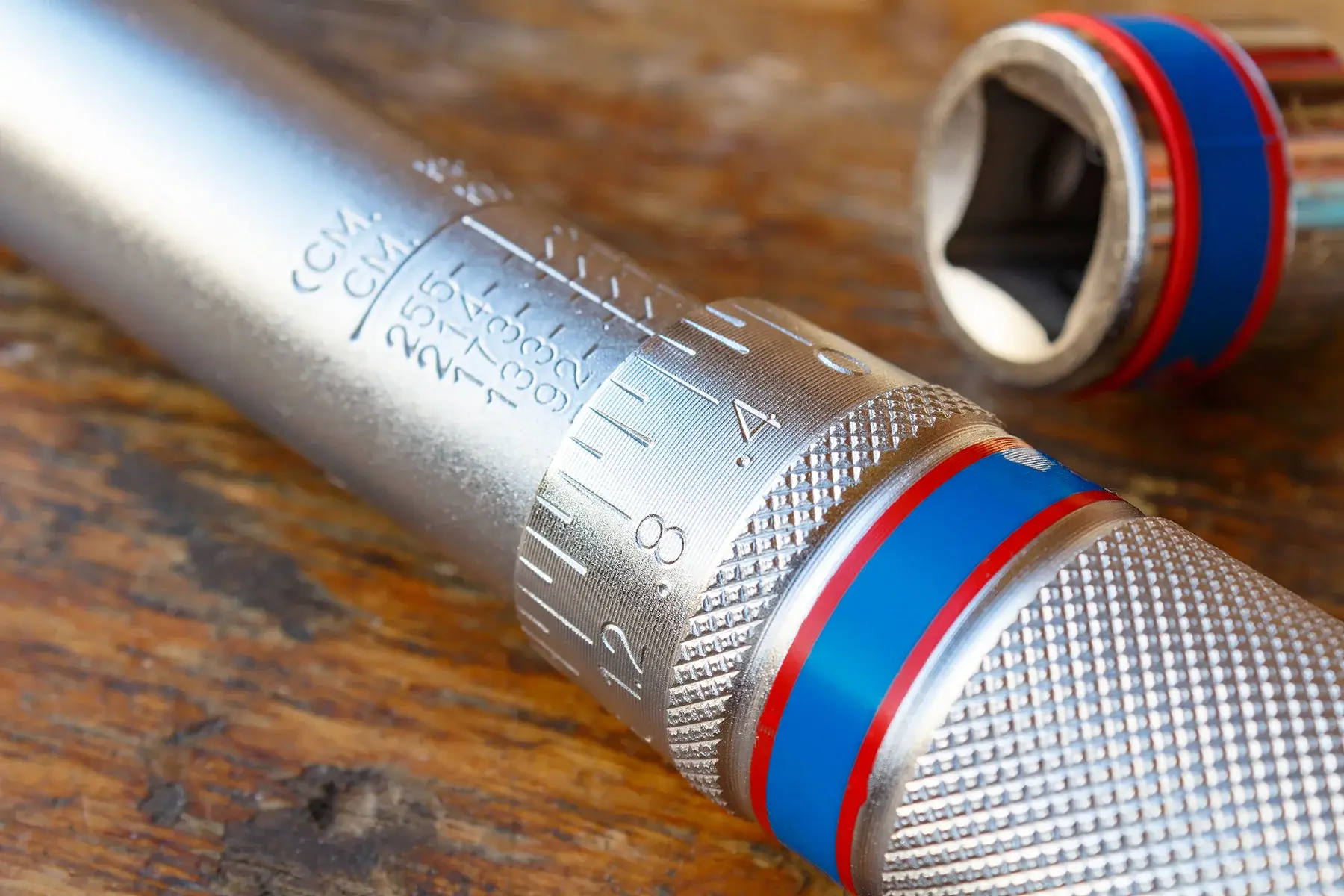
- Torque Wrenches
What is Torque Calibration?
Torque calibration is the systematic process of verifying and adjusting torque measuring instruments to ensure they accurately measure rotational force across their specified measurement ranges. This essential service compares your torque instruments against certified reference torque standards with known, traceable values to identify any deviations from their specified accuracy ranges.
During torque calibration, experienced technicians evaluate each instrument's performance using precisely applied torque loads throughout the instrument's measurement range. They document any measurement variations discovered and perform necessary adjustments to restore accuracy to manufacturer specifications. When instruments cannot be adjusted to meet their original specifications, detailed calibration reports provide the deviation data essential for your corrective actions and informed maintenance or replacement decisions.
The calibration process follows rigorous protocols established by international standards and industry specifications, ensuring consistency, reliability, and traceability. Each calibrated torque instrument receives comprehensive documentation that traces its accuracy back to national torque measurement standards, providing the measurement traceability that quality management systems, safety requirements, and assembly specifications demand.
FREE DOWNLOAD
Torque Wrench Calibration Compliance Checklist
This free checklist helps you prepare for any audit. Inside you'll find the 12 most common audit deficiencies cited in torque tool calibration reviews, and a step-by-step 30-day readiness sprint to get your lab ready for any assessment.
Download it now and know exactly where you stand.
Why Torque Calibration is Essential for Your Operations
Safety and Structural Integrity
Proper torque application is critical to the structural integrity and safety of mechanical assemblies. Under-torqued fasteners can loosen and fail, while over-torqued fasteners can strip threads, crack components, or create stress concentrations that lead to premature failure. In safety-critical applications like aerospace, automotive, and construction, torque accuracy can literally be a matter of life and death.
Product Quality and Assembly Reliability
Manufacturing operations depend on precise torque control to ensure consistent product quality and assembly reliability. Whether assembling automotive engines, aircraft components, or precision machinery, proper torque application ensures optimal clamping force, prevents component damage, and maintains assembly integrity throughout the product's service life.
Regulatory Compliance and Standards
Industries from aerospace to medical devices operate under strict regulatory frameworks requiring traceable torque measurements and documented assembly procedures. FAA regulations, IATF 16949 automotive quality standards, and medical device requirements mandate that torque measuring equipment be properly calibrated and maintained. Comprehensive calibration records are essential for regulatory compliance and product certification.
Warranty Protection and Liability Management
Improper torque application can void product warranties, create liability issues, and result in costly field failures. Documented torque calibration demonstrates proper assembly procedures and helps protect against warranty claims and liability issues related to fastener failures or assembly problems.
Process Control and Consistency
Automated assembly lines and production processes increasingly rely on torque measurement for quality control and process verification. Consistent torque application ensures repeatable assembly quality, prevents process variations, and helps identify potential assembly problems before they result in product failures.
Cost Control and Efficiency
Accurate torque measurement helps prevent costly rework, reduces assembly time, and minimizes material waste from damaged components. Proper torque calibration ensures optimal assembly efficiency and helps avoid the hidden costs associated with torque-related quality problems.
ISO/IEC 17025 Accredited Calibration From Cal-Cert
-
ISO/IEC 17025 accredited calibration services
-
Fast, reliable turnaround times
-
Clear documentation for seamless compliance
- The nation’s largest provider of construction materials testing equipment calibration