Force Calibration Services
Force Calibration Services from Cal-Cert
Accurate force measurement is fundamental to ensuring product quality, safety, and performance across countless industries, from materials testing and manufacturing to aerospace engineering and construction. When force measuring instruments drift out of calibration, the consequences can be severe—compromising structural integrity assessments, invalidating quality control data, creating safety hazards, and resulting in costly product failures.
Cal-Cert provides comprehensive force calibration services that ensure your force measurement systems deliver the precision and reliability your critical applications demand.
Some of the tools and instruments we calibrate include:
- CBR/Marshall Machines
- Compression Machines (Up to 3 million pounds)
- Consolidometers (Dial/Weights)
- Direct Shear Machines (Vertical & Direct loads, LVDT or Dial Gauges)
- Dynamometers
- Force Gauges
- Gyratory Compactors including internal angle
- Horizontal Tension Machines
- Kneading Compactors
- Load Cells
- Load Frames
- Multi-strands
- Pipe Testers
- Proving Rings
- Rams
- Skidmore Bolt
- Tension Testers
- Stressing Jacks
- Tensile Machines (up to 200,000 lbf)
- Universal Testing Machines
What is Force Calibration?
Force calibration is the systematic process of verifying and adjusting force measuring instruments to ensure they accurately measure push, pull, compression, and tension forces across their specified measurement ranges. This essential service compares your force instruments against certified reference force standards with known, traceable values to identify any deviations from their specified accuracy ranges.
During force calibration, skilled technicians evaluate each instrument's performance using precisely applied forces throughout the instrument's measurement range. They document any measurement variations discovered and perform necessary adjustments to restore accuracy to manufacturer specifications. When instruments cannot be adjusted to meet their original specifications, detailed calibration reports provide the deviation data essential for your corrective actions and informed maintenance or replacement decisions.
The calibration process follows rigorous protocols established by international standards, ensuring consistency, reliability, and traceability. Each calibrated force instrument receives comprehensive documentation that traces its accuracy back to national force measurement standards, providing the measurement traceability that quality management systems, safety regulations, and testing standards require.
Why Force Calibration is Critical for Your Operations
Product Safety and Structural Integrity
Force measurements are often directly related to safety-critical applications where inaccurate readings can have catastrophic consequences. Whether testing material strength, verifying fastener torque, or assessing structural load capacity, accurate force measurement is essential for ensuring products and structures can safely withstand their intended loads throughout their service life.
Quality Control and Material Testing
Manufacturing and construction industries depend on precise force measurements to verify material properties, validate product performance, and ensure compliance with specifications. From tensile testing of materials to compression testing of components, calibrated force instruments provide the accurate data necessary for quality decisions and regulatory compliance.
Research and Development Accuracy
Engineering research, product development, and materials science rely on accurate force measurements to understand material behavior, validate design calculations, and develop new products. Inaccurate force measurements can invalidate research results, lead to incorrect design assumptions, and compromise product development programs.
Manufacturing Process Control
Production processes often incorporate force measurements for quality control, assembly verification, and process monitoring. Whether controlling press forces, monitoring assembly loads, or verifying joint integrity, accurate force measurement ensures consistent product quality and helps prevent manufacturing defects.
Regulatory and Standards Compliance
Industries from aerospace to medical devices operate under strict testing standards that require traceable force measurements. Standards like ASTM, ISO, ANSI, and industry-specific requirements mandate that force measuring equipment be properly calibrated and maintained to ensure valid test results and regulatory compliance.
Cost Avoidance and Risk Management
Inaccurate force measurements can lead to over-designed products that waste materials and increase costs, or under-designed products that fail in service and create liability issues. Proper force calibration helps optimize designs, reduce material waste, and minimize the risk of product failures and associated costs.
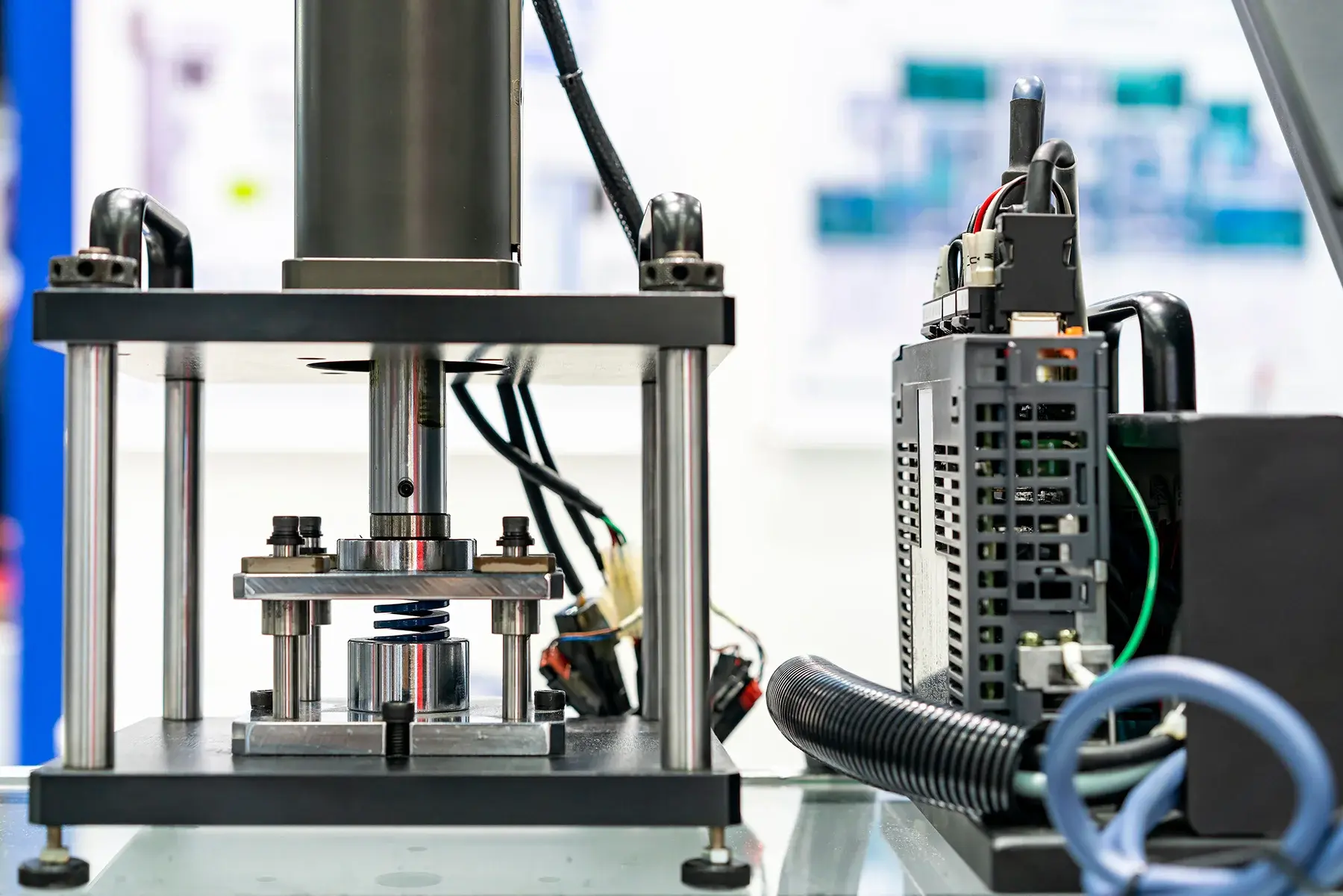
ISO/IEC 17025 Accredited Calibration From Cal-Cert
-
ISO/IEC 17025 accredited calibration services
-
Fast, reliable turnaround times
-
Clear documentation for seamless compliance
- The nation’s largest provider of construction materials testing equipment calibration