
Skip to the main content.

Electrical Calibration Services

Electrical Calibration Services from Cal-Cert


Accurate electrical measurements form the backbone of modern technology, from power generation and distribution to sophisticated electronic manufacturing and testing. When electrical measuring instruments drift out of calibration, the consequences ripple through operations—causing quality issues, safety risks, regulatory violations, and costly production delays. 

Cal-Cert delivers comprehensive electrical calibration services that ensure your instruments provide the precision and reliability your critical operations demand.

Some of the tools and instruments we calibrate include:

  • Amp Clamps
  • Bench Meters
  • Capacitance Meters
  • Decade Boxes
  • Hipot Testers
  • Multimeters
  • Oscilloscopes
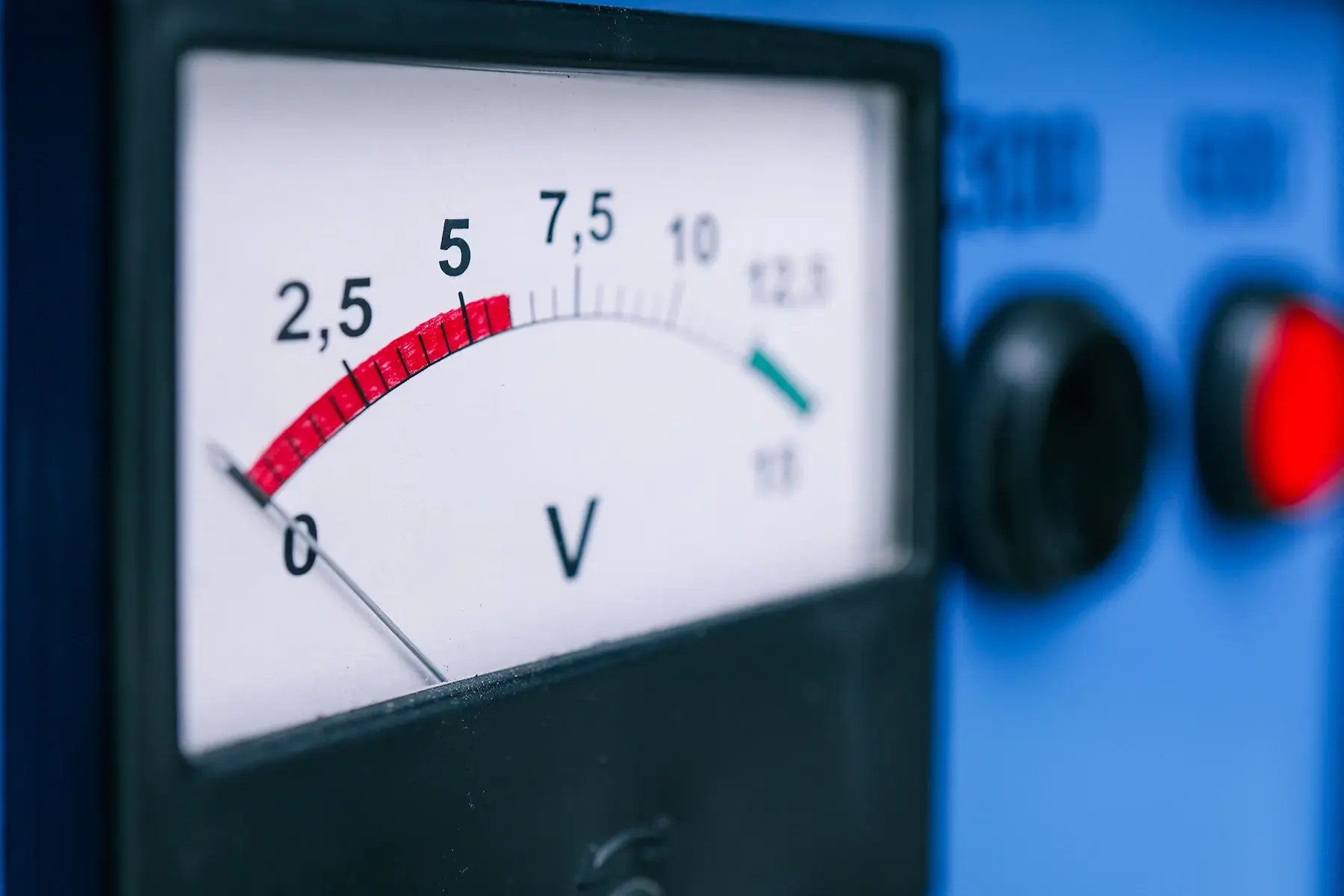
  • Panel Meters
  • Phase Meters
  • Resistance Meters
  • Resistivity Meters
  • Sound Meters
  • Tachometers
  • Timers
  • Volt Meters
  • Watt Meters

What is Electrical Calibration?


Electrical calibration is the systematic process of verifying and adjusting electrical measuring instruments to ensure they accurately measure voltage, current, resistance, frequency, power, and other electrical parameters. This essential service compares your instruments against certified reference standards with known, traceable values to identify any deviations from their specified accuracy ranges.

During electrical calibration, skilled technicians evaluate each instrument's performance across its complete measurement range and various electrical parameters. They document any variations discovered and perform necessary adjustments to restore accuracy to manufacturer specifications. When instruments cannot be adjusted to meet their original specifications, detailed calibration reports provide the deviation data essential for your corrective actions and informed replacement decisions.

The calibration process follows rigorous protocols established by international standards, ensuring consistency, reliability, and traceability. Each calibrated electrical instrument receives comprehensive documentation that traces its accuracy back to national electrical measurement standards, providing the measurement traceability that quality management systems and regulatory authorities require.

Why Electrical Calibration is Critical for Your Operations


Safety and Risk Management
Electrical measurements directly impact workplace safety and equipment protection. Inaccurate readings from multimeters, clamp meters, or ground resistance testers can lead to dangerous situations, equipment failures, or electrical accidents. Regular calibration ensures your electrical measuring instruments provide the accurate readings necessary for safe electrical work and hazard identification.

Product Quality and Performance
Manufacturing operations across industries depend on precise electrical measurements to ensure product quality and performance. Whether testing electronic components, verifying circuit performance, or validating electrical systems, measurement accuracy directly affects product reliability and customer satisfaction. Calibrated instruments prevent quality issues that could result in field failures, warranty claims, and damaged reputation.

Regulatory Compliance and Standards
Industries from telecommunications to medical devices operate under strict regulatory frameworks requiring measurement traceability and calibration documentation. Comprehensive calibration records are essential for passing audits and maintaining regulatory compliance. 

Process Control and Efficiency
Manufacturing processes increasingly rely on electrical measurements for control and monitoring. Power quality analyzers, energy meters, and process control instruments must provide accurate data for optimal system performance. Calibrated electrical instruments ensure process control systems operate efficiently, reducing energy costs and improving production yields.

Measurement Confidence and Decision Making
When electrical measurements drive critical decisions—whether accepting incoming components, troubleshooting system problems, or validating product performance—measurement accuracy is paramount. Calibrated instruments provide the reliability needed for confident decision-making and reduced risk of costly errors.
AdobeStock_1196808547__Electrical__Large-Block